5 Signs Your Horse Is on the Forehand – and What You Can Do About It
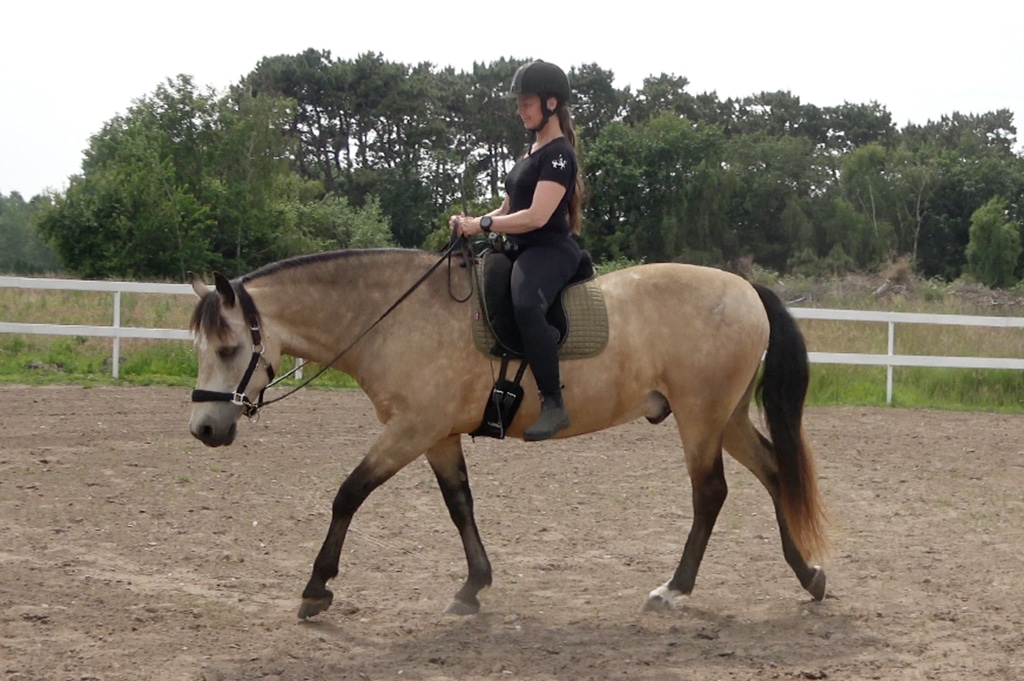
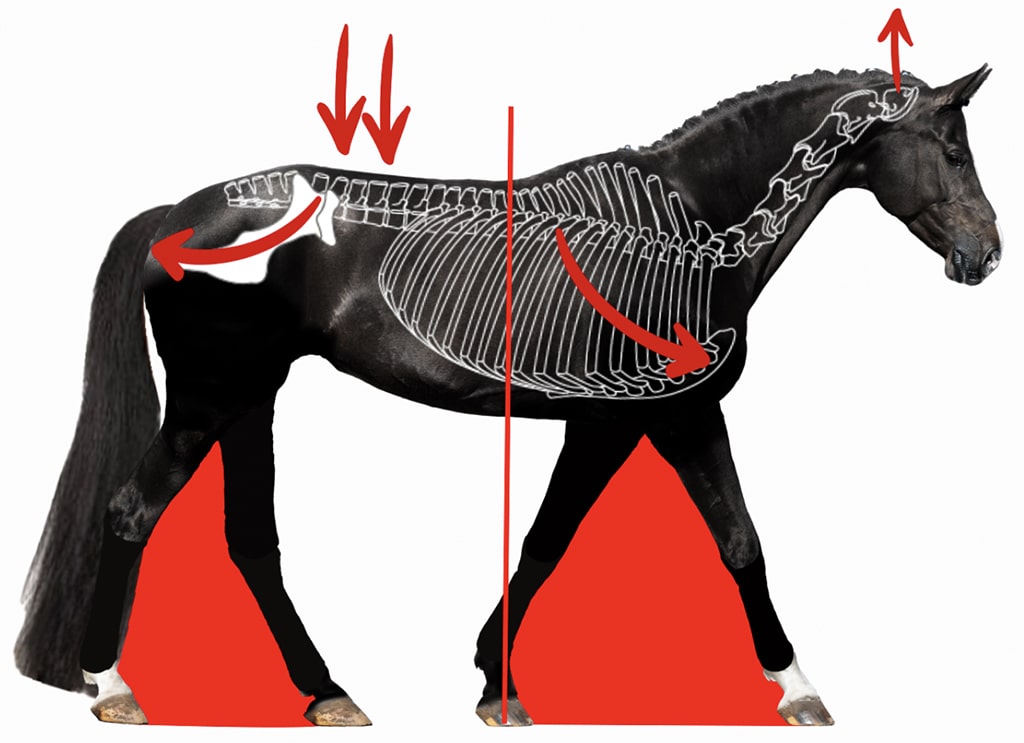
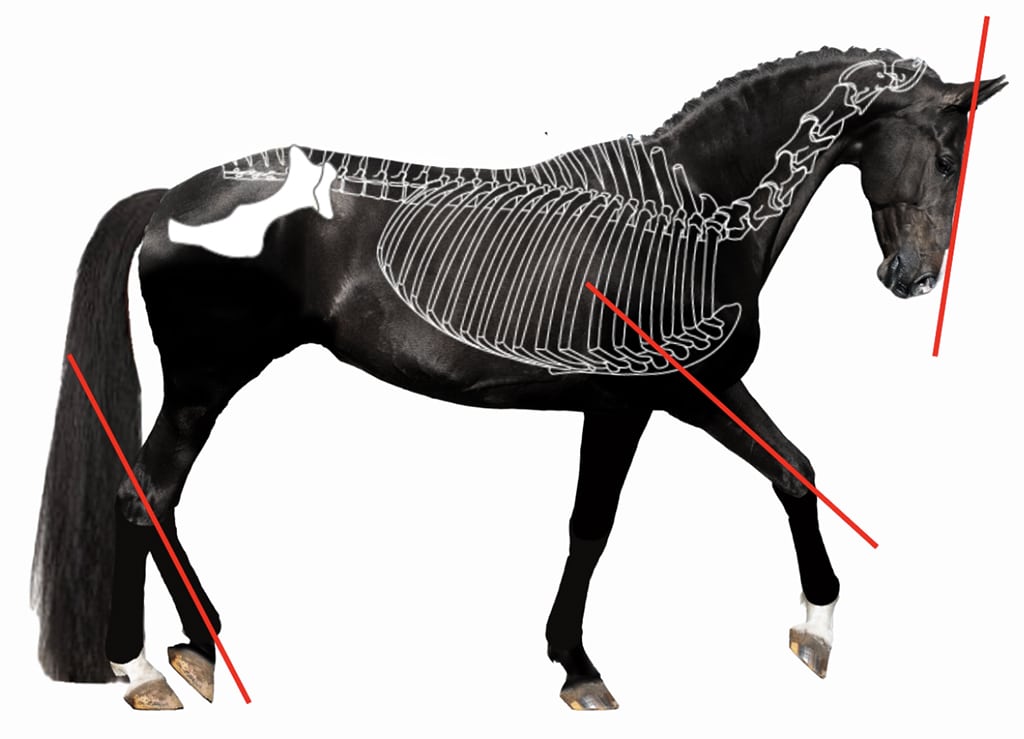
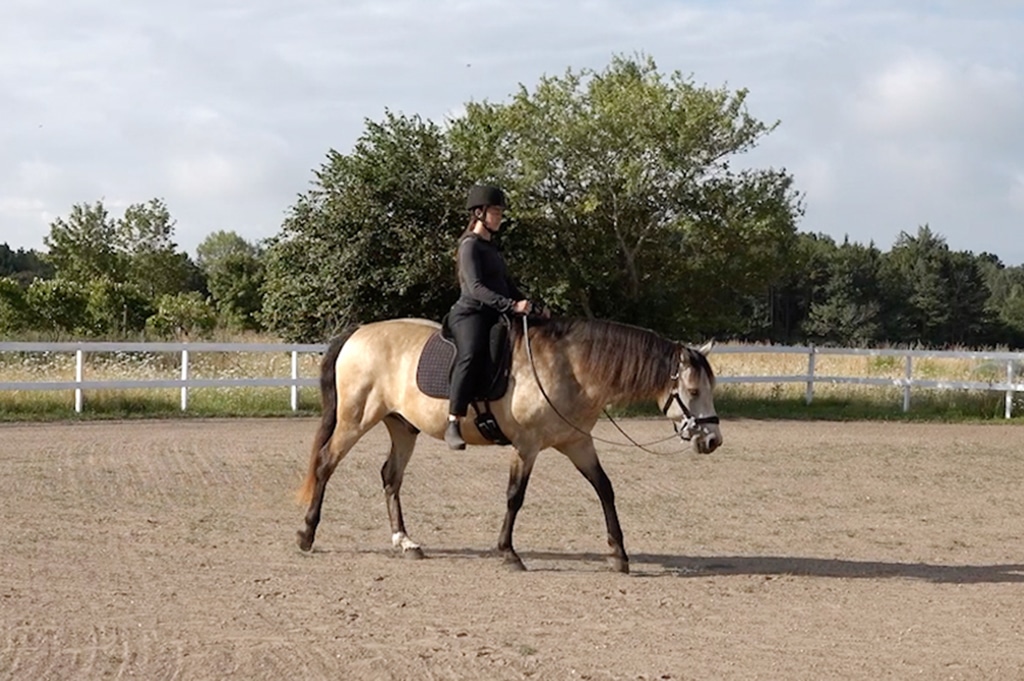
As riders, we all want to give our horses the best possible conditions—both in training and in everyday life. Still, there are things we may not notice, simply because we haven’t learned to look for them yet. One of those things is how the horse actually distributes its weight between the forehand and the hindquarters. Whether you mainly enjoy relaxed trail rides, train at home, or have ambitions to compete, it is valuable to recognize the signs that your horse is working on the forehand.
At first glance, this may seem like a minor detail—especially if the horse feels willing and cooperative—but it has a much greater impact on the horse’s health and overall well-being than you might expect. Let’s take a closer look at why this matters and what you can do to help your horse find better balance.